
Senate Banking Sets Jan 15 for Crypto Market Structure Markup; DeFi Liability Remains Sticking Point
Chairman Tim Scott schedules the long-awaited markup for Jan 15, but deep divisions over DeFi liability and stablecoin yield threaten to derail the bill before the Jan 30 funding deadline.

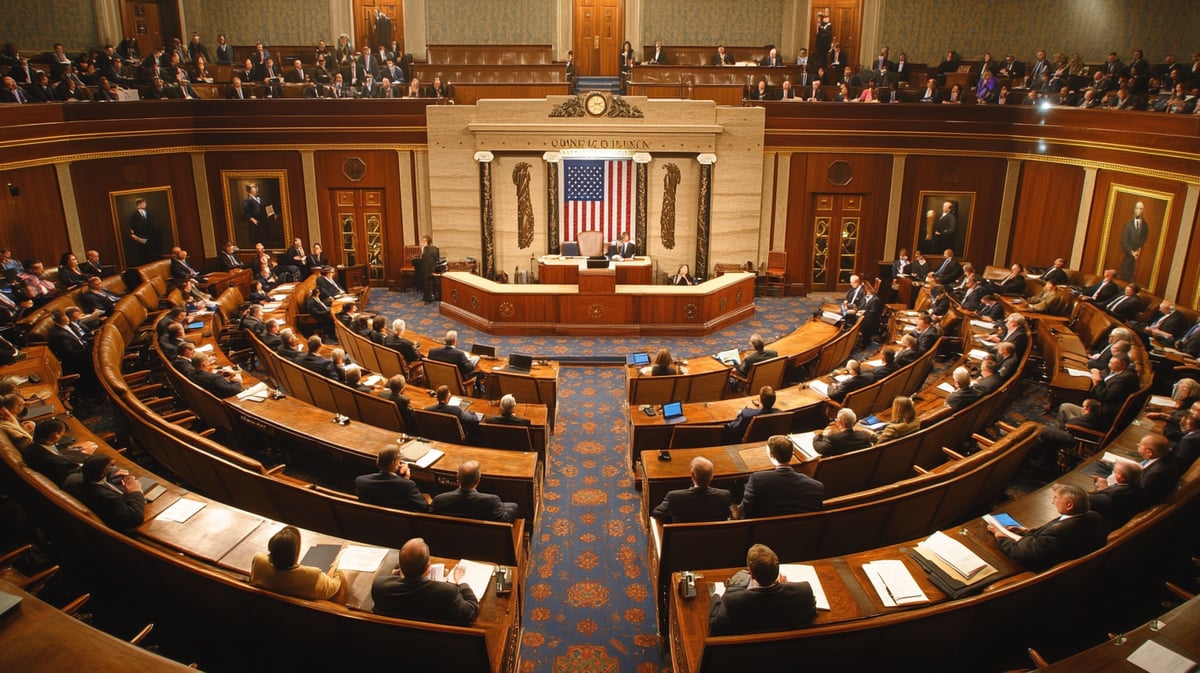
Senate Banking Committee Chairman Tim Scott has officially scheduled the committee’s markup for comprehensive digital asset market structure legislation for January 15, 2026. The move forces a confrontation on a bill that has languished in negotiation hell for months, with unresolved disputes over decentralized finance (DeFi) liability and stablecoin yields threatening to derail the bipartisan effort.
Markets reacted with characteristic indifference to the Washington timeline. Bitcoin hovered at $90,850 (+0.4%), failing to reclaim the $91,000 level, while Ethereum held $3,120 (+0.2%) as volume across major exchanges remained thin.
The Poison Pills
While Scott’s announcement projects confidence, the legislative text is far from settled. Two specific provisions have created a deadlock between Senate Republicans and Democrats.
First is the liability shield for DeFi developers. GOP negotiators have pushed for language that treats protocol developers as software publishers, exempt from financial intermediary rules, while key Democrats argue this creates a shadow banking loophole. Second is the issue of yield-bearing stablecoins.
The ongoing debate hinges on unresolved issues like DeFi liability, regulatory jurisdiction and whether stablecoins can offer yield.
Traditional banks have lobbied aggressively against allowing stablecoin issuers to pass yield to holders, viewing it as an existential threat to low-cost deposits. The Banking Committee’s markup must thread this needle before the bill can merge with the Senate Agriculture Committee’s version, which oversees the CFTC’s slice of the market.
The January 30 Hard Stop
Scott’s aggressive scheduling is dictated by the fiscal calendar. The Chairman is aiming to clear the committee vote and move the bill to the Senate floor before the January 30 federal spending cutoff. If the markup drags into late January, the bill risks becoming collateral damage in the looming government funding fight.
For institutional treasurers, the stakes are binary. Clear federal rules on market structure would unlock balance sheet allocations currently frozen by regulatory ambiguity. Until the text is finalized, however, capital remains on the sidelines.