
Walmart Launches Crypto Payments via OnePay; Bitcoin Holds $92K
Walmart’s fintech arm OnePay enables 150M shoppers to spend Bitcoin and Ethereum instantly via a ZeroHash partnership.

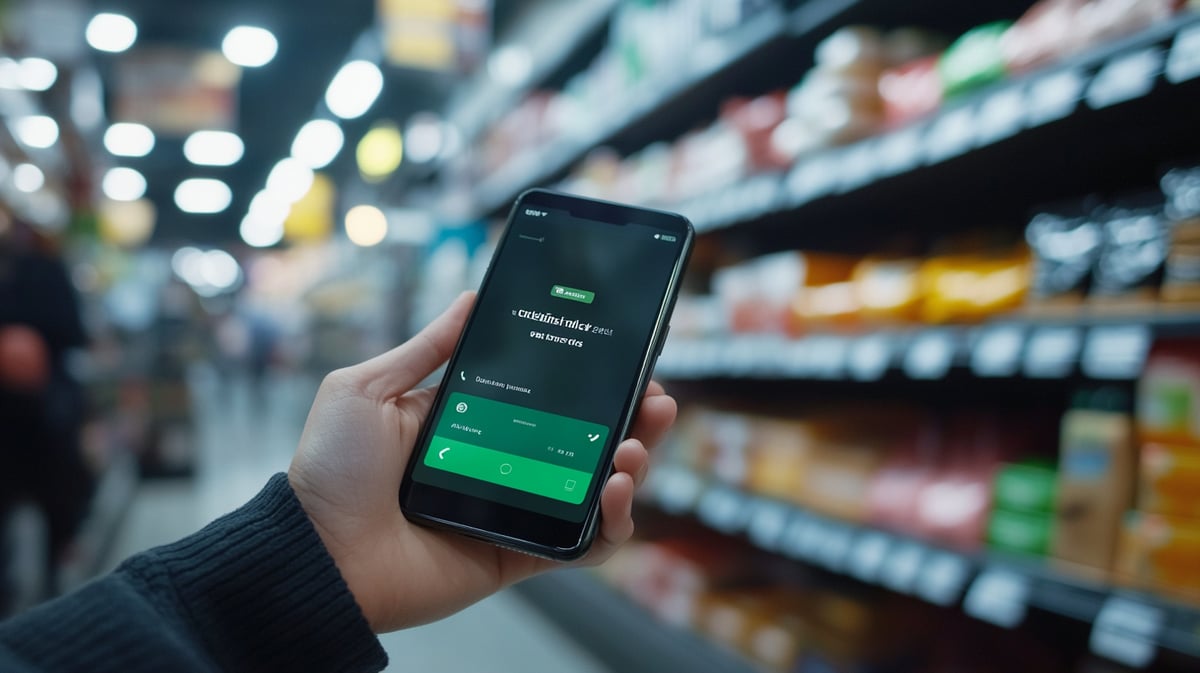
Walmart’s fintech arm, OnePay, enabled Bitcoin and Ethereum payments for its 150 million weekly shoppers today, marking the largest retail integration of digital assets in U.S. history. The functionality allows users to convert crypto holdings into fiat instantly at checkout, effectively turning the retailer’s mobile app into a crypto-native payment rail. Bitcoin traded firmly at $92,754 (+1.7%) following the rollout.
The Mechanism: Convert-to-Spend
Unlike previous merchant integrations that relied on third-party gift cards, this move embeds crypto directly into Walmart’s financial stack. The integration leverages ZeroHash, a Chicago-based settlement infrastructure provider, to execute real-time custody and liquidation. OnePay users can now fund their accounts with BTC or ETH, which the system converts to USD at the point of sale to settle transactions or pay down OnePay credit card balances.
Amber Jones, Product Manager at OnePay, framed the strategy as a utility play rather than a trading feature:
"We are not trying to make users become traders, but to make crypto a daily payment option."
The Scale of Adoption
The sheer volume of Walmart’s user base immediately positions OnePay as a top-tier crypto on-ramp. OnePay is currently ranked #5 in the Apple App Store’s finance category, outpacing traditional banking apps. By removing the technical friction of wallet management and exchange transfers, Walmart is targeting the "unbanked" and "crypto-curious" demographics that competitors like Coinbase have struggled to capture.
Institutional Implications
This integration signals a shift in retail strategy from accumulation to circulation. While payment giants like PayPal and Block have long offered closed-loop crypto services, Walmart’s physical footprint forces competitors to re-evaluate their point-of-sale hardware and settlement speeds. The retailer’s decision to partner with ZeroHash rather than building a proprietary ledger indicates a preference for speed-to-market over vertical integration in the digital asset space.
