
Russia’s Central Bank Pivots: Nabiullina Admits Bitcoin Mining Strengthens Ruble
CBR Governor Nabiullina breaks character to acknowledge Bitcoin mining as a key factor in Ruble stability, aligning with the Kremlin’s push to classify crypto as a strategic export.

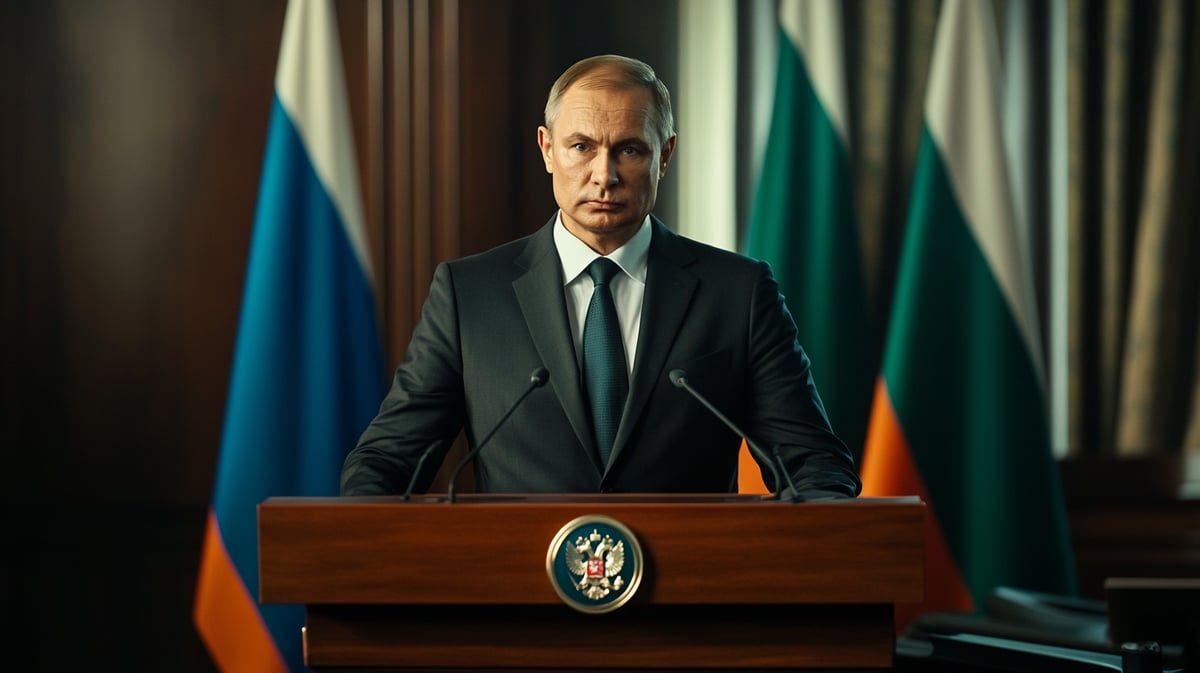
The Pivot
In a rare departure from her historically hawkish stance on digital assets, Central Bank of Russia (CBR) Governor Elvira Nabiullina admitted this week that Bitcoin mining has become a contributing factor to the Russian ruble’s recent strength. Speaking at a press conference following a CBR board meeting, Nabiullina acknowledged that while the sector remains partially in the “gray zone,” the liquidity generated by industrial mining operations is now tangible enough to impact the national currency’s exchange rate.
This admission marks a critical geopolitical shift: the formal recognition of proof-of-work mining not just as a taxable industry, but as a macroeconomic instrument capable of offsetting sanctions-induced liquidity crunches. Bitcoin ($BTC) held steady at $88,200 following the news, as markets digested the implications of the world’s second-largest miner integrating crypto flows into its balance of payments.
The Receipt
The strategic reclassification is being driven from the top. Maxim Oreshkin, Deputy Chief of Staff to President Putin, explicitly categorized crypto mining as an “undervalued export resource” earlier this month. Oreshkin argued that the value generated by miners functions economically like oil or gas exports, creating foreign currency inflows that bypass traditional SWIFT restrictions.
We’ve acquired a new, undervalued export item—cryptocurrency mining. These are already significant amounts… essentially a hidden export.
Institutional Context
The data supports the Kremlin’s new narrative. Russia currently controls approximately 16% of the global Bitcoin hashrate, trailing only the United States. With traditional export routes throttled by sanctions, the conversion of subsidized domestic energy into censorship-resistant liquidity has become a vital economic lifeline.
However, the integration is not without friction. While the federal government pushes for mining to be reflected in balance-of-payments data by 2026, regional energy deficits have forced a partial retreat. The government confirmed localized mining bans in energy-stressed zones like Zabaykalsky Krai starting January 2026, creating a bifurcated market: state-sanctioned industrial mining in energy-rich regions versus strict prohibition elsewhere.
Outlook
The CBR’s acknowledgement signals that Russia is moving toward a “State Mining” model, where Bitcoin production is treated as strategic infrastructure. The focus for 2026 is now the full legalization of crypto circulation for foreign trade, effectively turning Bitcoin into a parallel settlement layer for the Russian economy.
