
Kraken withdrawal delays land as parent Payward courts listing ambitions
Kraken disclosed its second service fault of September 8 as 23 of its 725 funding services showed degraded performance, compounding a deposit pause in place since September 4.

Kraken withdrawal delays land as parent Payward courts listing ambitions
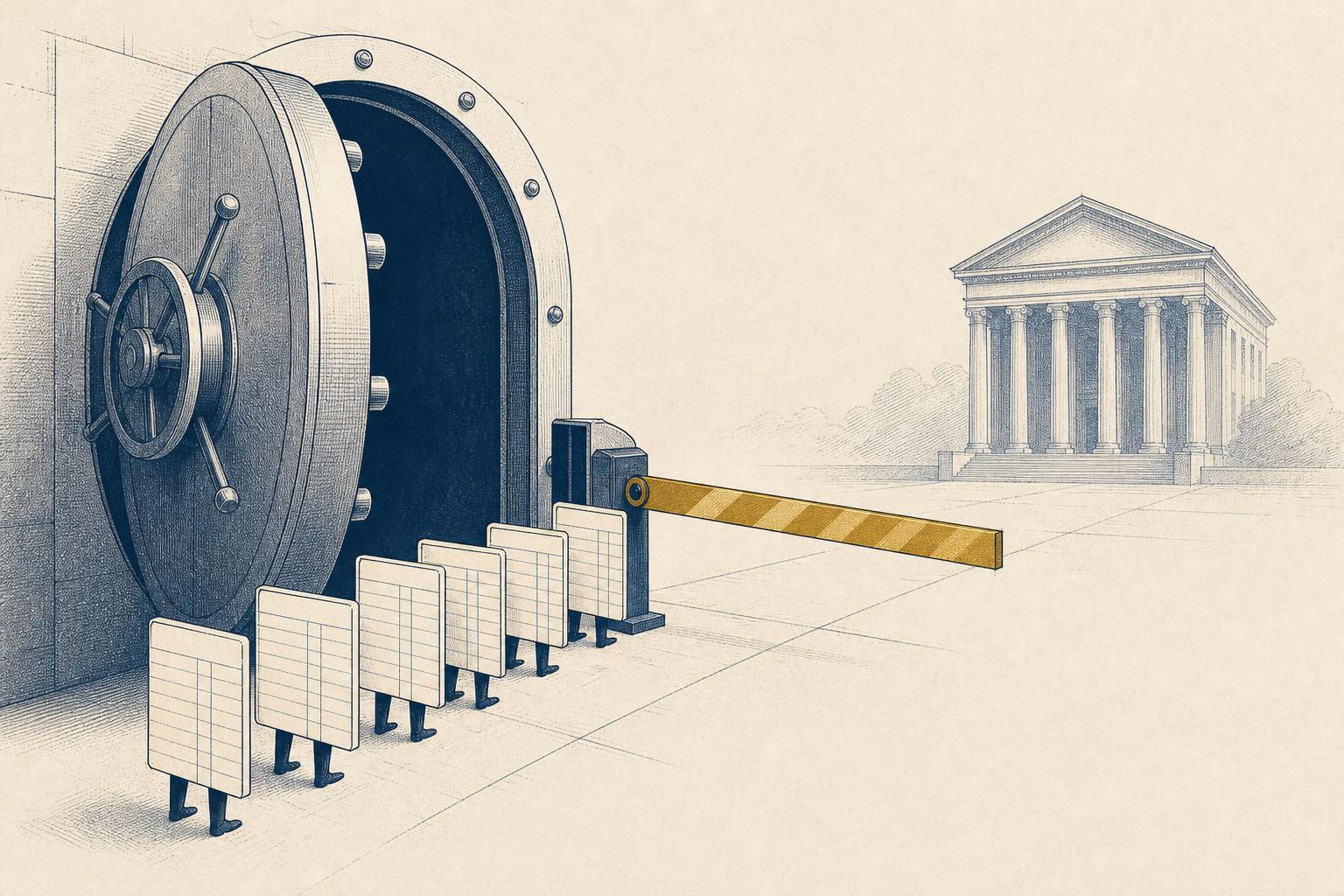
Kraken told customers that withdrawals were stuck on September 8, the second service fault the exchange disclosed that day, as a deposit pause running since September 4 compounds the problem.
The exchange said the delays were tied to funding issues across 23 of its 725 funding services, the deposit and withdrawal rails it tracks individually on its status board. The notice went up shortly after 2 p.m. UTC, hours after Kraken had already reported that account balance histories had gone stale, with daily figures since recovering and hourly figures still behind.
The new fault compounds a deposit pause Kraken imposed on September 4 across more than 20 blockchain networks, including Cosmos (ATOM), Celestia (TIA), Akash and dYdX. That incident remains open, meaning some customers have spent the better part of a week unable to move funds in or out of the platform. Core trading has not been affected: order books, price feeds, trade execution and data feeds have all continued without interruption.
Kraken said it had identified the cause of the withdrawal problem, describing it on its status page as “a temporary hiccup affecting withdrawals, which may be briefly delayed at this time.” The company has given no resolution timeline, no list of affected coins, and no account of what failed, and it has not said whether the September 8 issue is new or another symptom of the September 4 outage.
The disruption is ill-timed for the exchange’s parent company, Payward, which is pursuing connectivity to Nasdaq and the London Stock Exchange as part of a tokenized-asset push that reportedly includes selling tokenized London stocks to investors in 110 countries. Reporting on the company’s listing plans has put its initial public offering, which has been repeatedly delayed, at a 2027 target.
Operational reliability weighs on that pitch. The exchange has reportedly logged dozens of operational incidents in recent weeks, including earlier episodes involving individual tokens such as Cronos, and users on social platforms reportedly began flagging the latest delays before any official acknowledgment from the company. For a listing candidate marketing itself to institutions, a week in which customers cannot move funds in either direction is a counterparty-risk question as much as a service complaint.
The degraded-service count on the status board may change within hours; the affected-asset list and resolution timeline remain outstanding. In January, a Kraken-backed SPAC filed for a $250 million Nasdaq listing.